FAQ
Ask first, so it is clear
Scope of support, confidentiality, deadlines, software, referencing and cost. If something is still unclear after this, messaging the page is the fastest way to find out.
FAQ
Scope of support, confidentiality, deadlines, software, referencing and cost. If something is still unclear after this, messaging the page is the fastest way to find out.
FAQ
If yours is not here, just ask. We answer straight, including when the answer is that we cannot help.
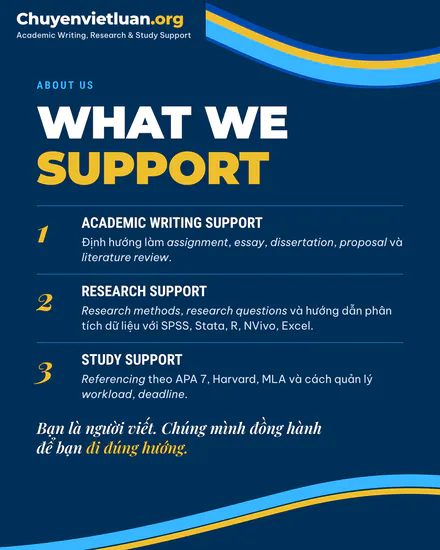
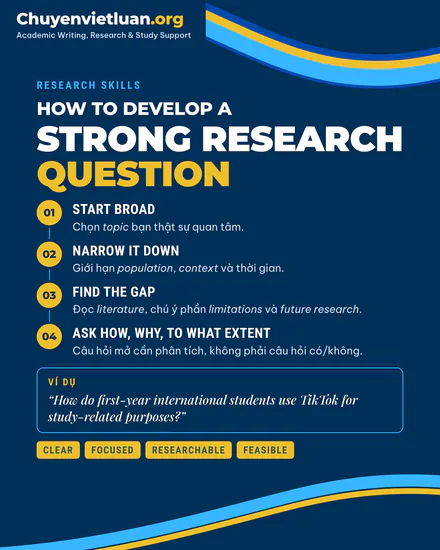
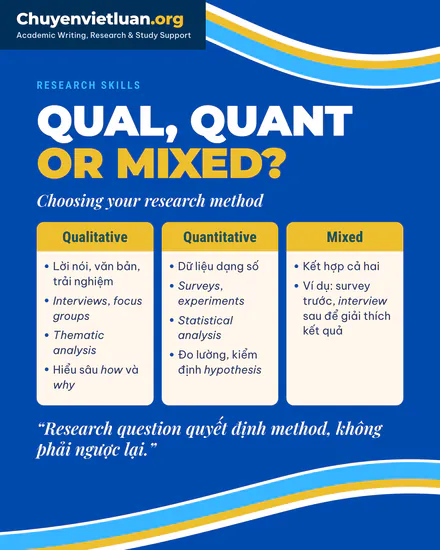
Three things. Academic writing: direction on assignments, essays, dissertations, proposals and literature reviews. Research: research questions, research methods, and data analysis in SPSS, Stata, R, NVivo and Excel. Study support: referencing in APA 7, Harvard and MLA, plus managing workload and deadlines. Take one area or work through all three.
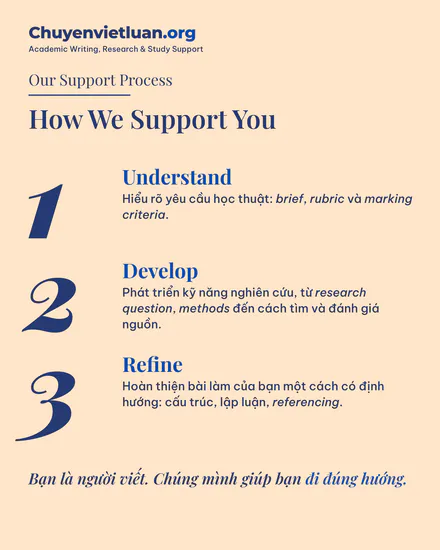
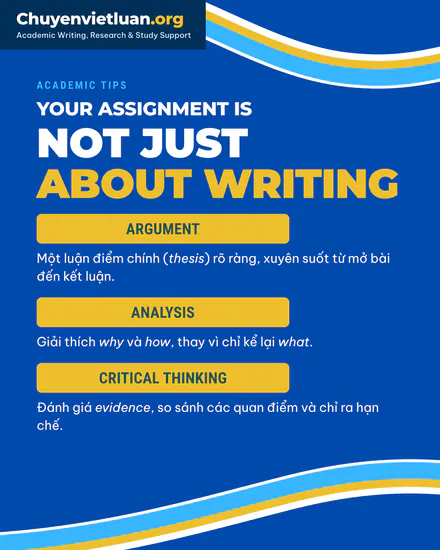
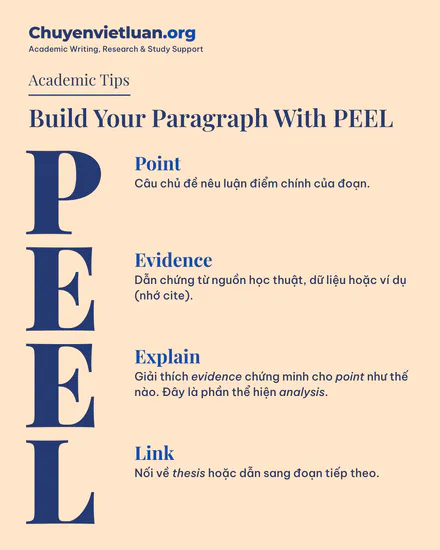
Our position is that you are the writer and we walk alongside you so the work goes in the right direction. Our job is to help you understand the requirements, build a structure that holds, choose the right method, and finish your own piece. If you need a different scope, say so at the start so both sides agree before any work begins.
Any stage, from the moment you have the brief to the week you have a full draft. Earlier is cheaper in effort: changing the structure before you write costs almost nothing, changing it after you have written costs a lot of rewriting.
Yes. Your brief, drafts, data and personal details are never shared with anyone, never published, and never used as an example for another student.
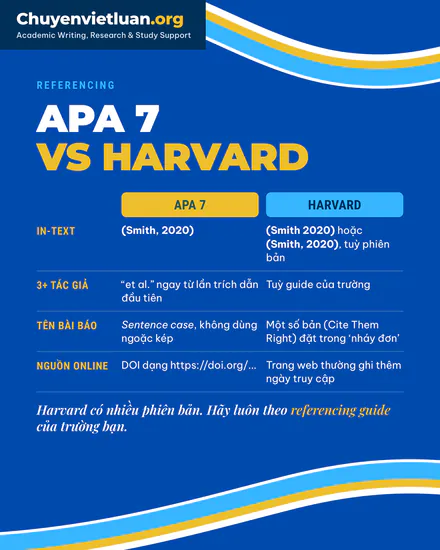
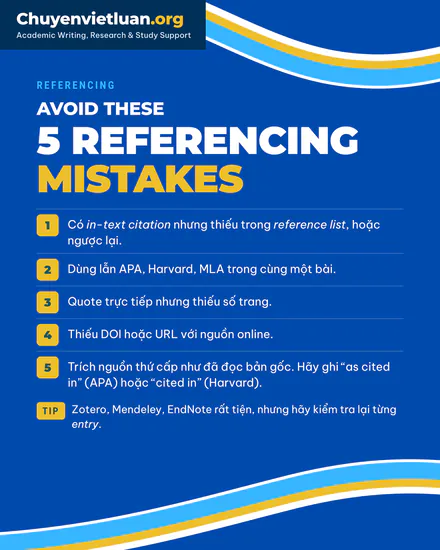
APA 7, Harvard, MLA, Chicago, Vancouver and IEEE. Where your department handbook differs from the standard version of a style, we follow the handbook, because that is what the marker has in front of them.
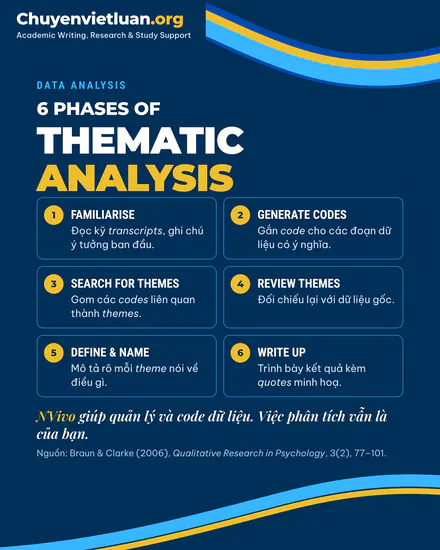
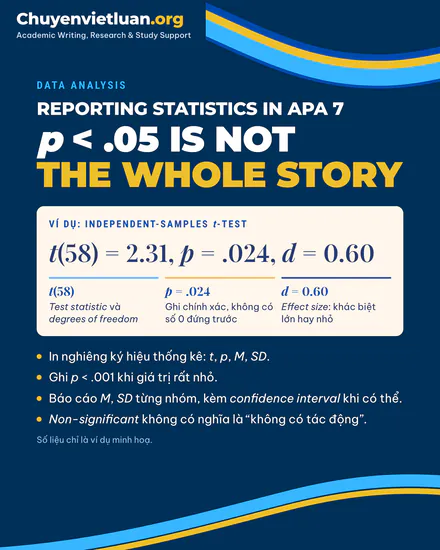
Yes. Choosing a test that fits the research question and the data type, cleaning the data, running the analysis, and then the part that matters most: putting the result into words. The aim is that you can explain why that test was chosen and what the number means, even under questioning.
Ask anyway. We will say plainly how much can be done well in the time left and what cannot, and you decide from there. We do not take on work we know we cannot stand behind.
There is no fixed price list, because outlining one chapter and reviewing a whole thesis are not the same job. Send the brief, the word count, the deadline and the part you want help with, and you get a quote for that scope with nothing added later.
Yes. Most of what we read is in English, written to the conventions of universities in the UK, Australia, the US and Europe. We can talk with you in Vietnamese or English, and the work follows your own institution's rules either way.
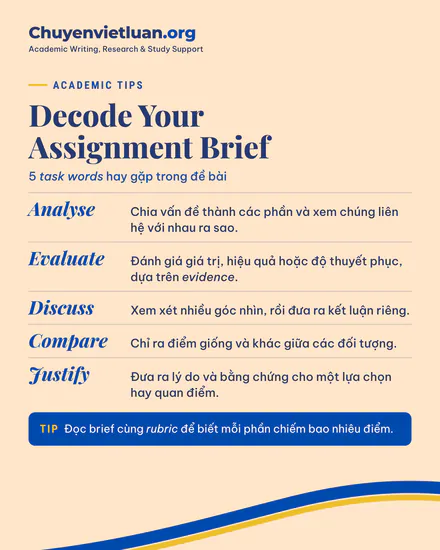
Yes, and it is the most useful thing you can send. Lines like "lack of critical analysis" or "argument unclear" have very specific meanings in marking, and they translate into a list of edits you can make this week.
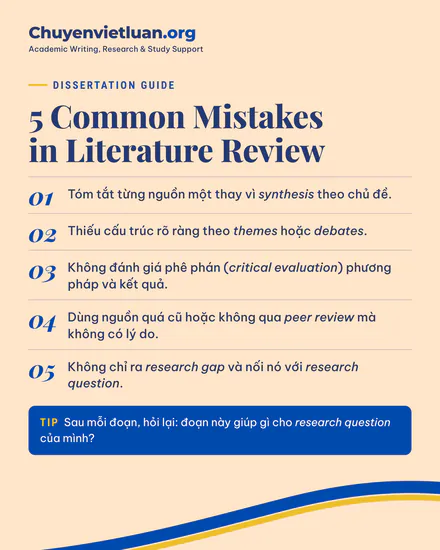
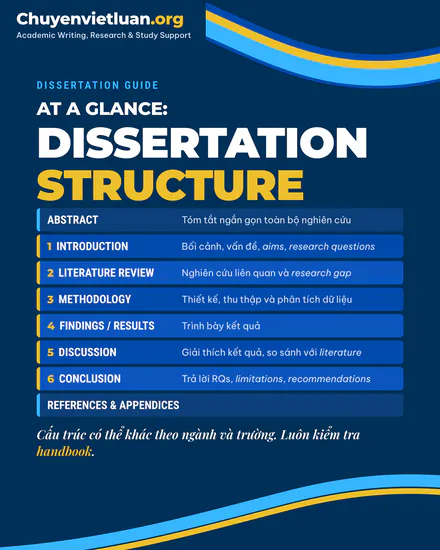
Three things: a chapter map setting out what each part has to achieve, your draft with notes written at the exact places that need changing, and a list of fixes ordered by how much each one moves the grade. No vague encouragement.
Message the page with your working title, the brief, the rubric, the word count and the deadline. We read it and come back with what to tackle first, roughly how long it takes, and a quote for that scope.
Get started
Nothing to prepare. Send whatever you already have and we will read it, then tell you what to fix first and what can wait.
These two files say more about how your work is marked than anything else.
How much time is left decides the plan, so tell us early rather than late.
Half an outline is more useful to work from than a blank page.
Comments like “lack of critical analysis” all translate into specific edits.
Contact
Chuyenvietluan.org
Academic Writing, Research & Study Support
Facebookfb.com/Chuyenvietluan.org MessengerMessage us directly, answered same day Message usYou are the writer. We walk alongside you so the work goes in the right direction.