Reading the brief and rubric
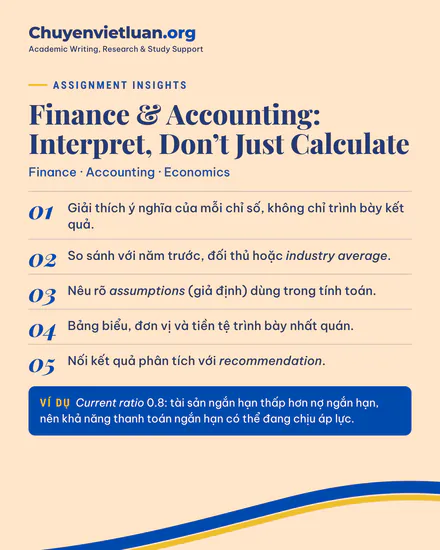
Turning the verbs in the brief (analyse, evaluate, discuss, critically assess) into concrete requirements, and matching every criteria line to the part of the work that answers it.
What we support
This page sets out what each area covers, what you get back from a round of work, and how far we can go with you across software, referencing styles and subject areas.

In detail
Listed plainly, so you can match it against what you need instead of guessing.
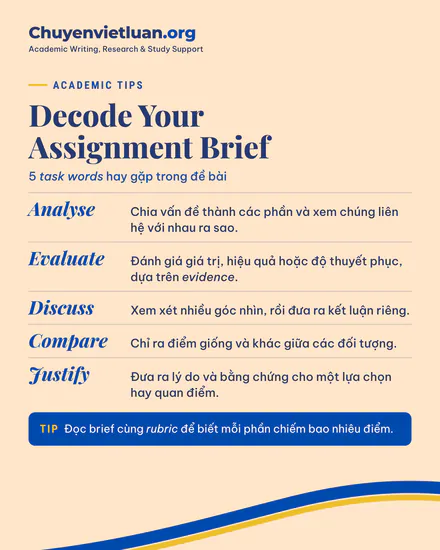
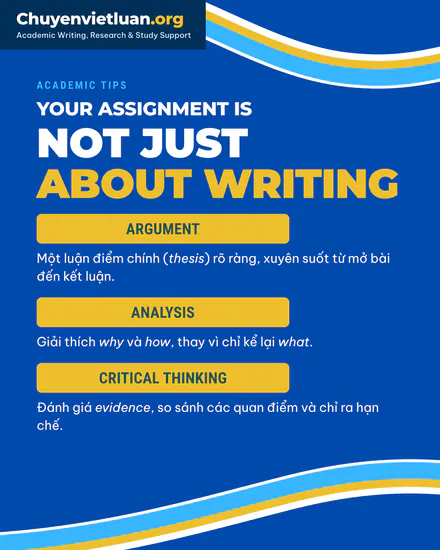
Turning the verbs in the brief (analyse, evaluate, discuss, critically assess) into concrete requirements, and matching every criteria line to the part of the work that answers it.
A chapter map saying what each section must prove and how many words it gets, settled before the first sentence is written.
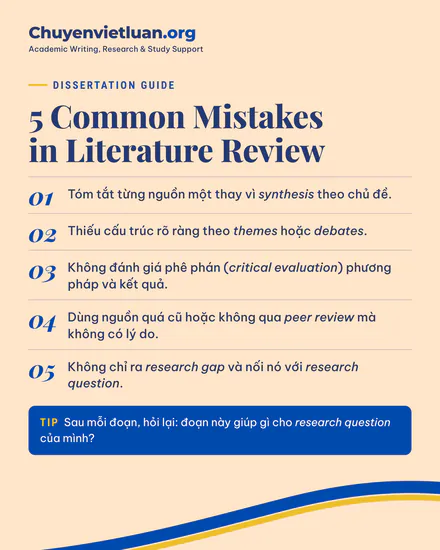
Grouping sources by theme rather than by author, letting the studies speak to each other, then closing on the gap your work fills.
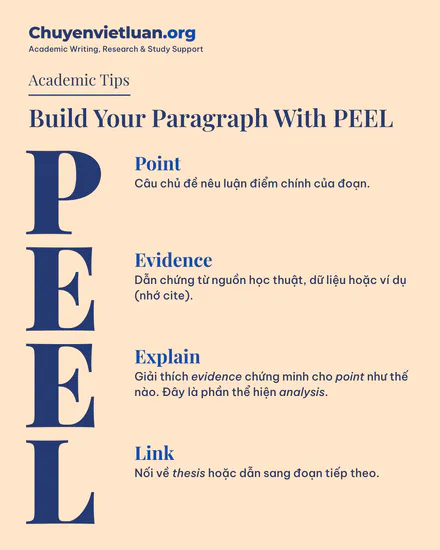
Adding the why and the how wherever the work is only retelling, which is the way out of "descriptive, not analytical".
The three things a proposal has to prove: the problem is worth studying, you know how to study it, and it fits in the time available.
One last read for argument, formatting and referencing, with the fixes ranked by how much each affects the mark.
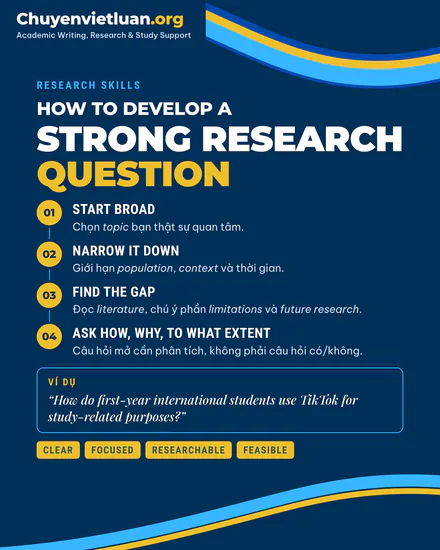
Narrowing a broad topic to a question tight enough to answer in your word count, and still worth answering.
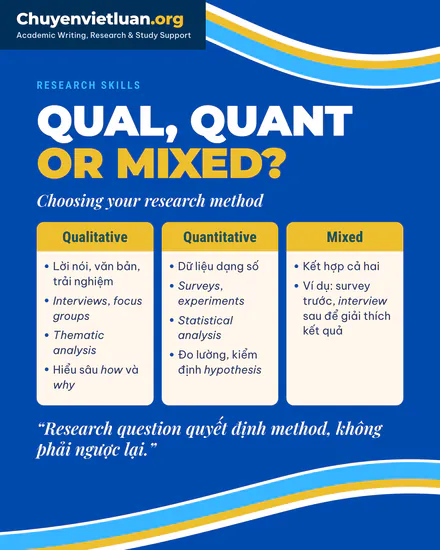
Qualitative, quantitative or mixed, chosen by the question rather than by habit, and stated along with what it cannot show.
Where to look, how to filter, and how to spot a weak source before it ends up cited in your work.
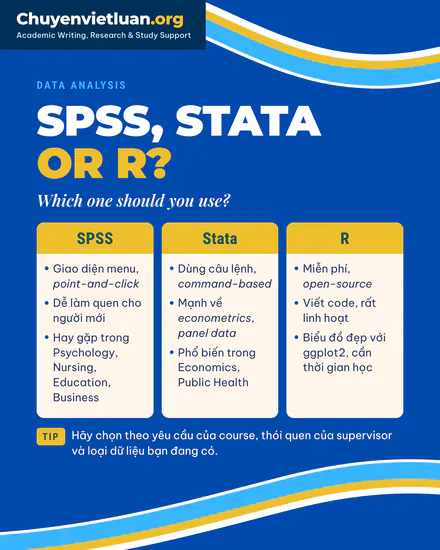
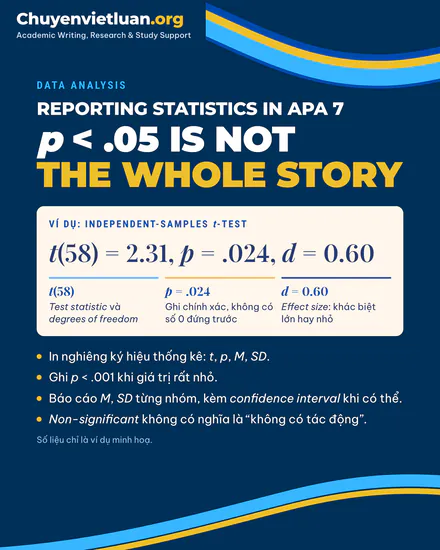
Cleaning the data, choosing the test, running it in SPSS, Stata, R or Excel, then reading the output into sentences that mean something.
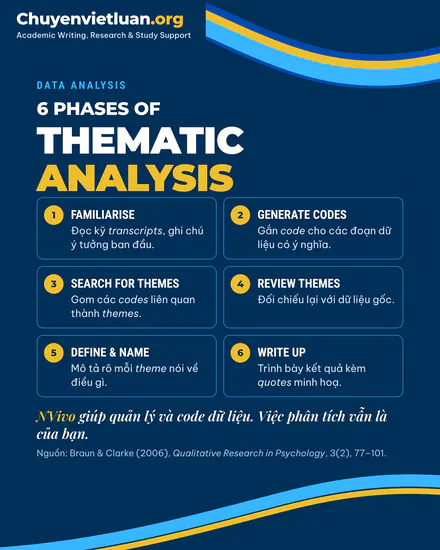
Coding, building a theme framework and running thematic analysis, in NVivo or by hand where the dataset is small.
Presenting tables cleanly, tying each finding back to the literature review, and being honest about the limitations.
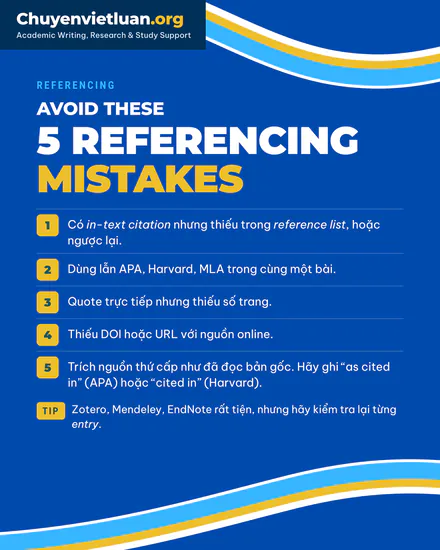
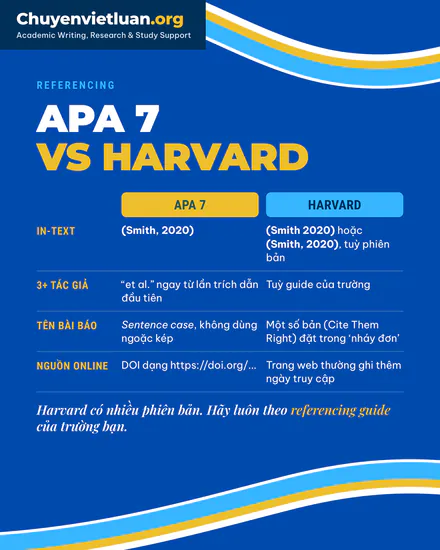
APA 7, Harvard, MLA, Chicago, Vancouver and IEEE. One style, applied the same way from the first citation to the last entry.
When to quote, when to paraphrase, when to summarise, and how to cite a secondary source without hiding it.
Working backwards from the submission date into smaller milestones, so this week has a clear target.
Several units due at once: what to do first, ordered by weighting and by which task blocks another.
Abstract and conclusion first, then decide whether to read on, so an afternoon is not lost to a paper you cannot use.
The questions panels ask about method and limitations, and how to answer them without waffling.
What you get back
No vague encouragement. Every round of work ends with something you can open and use.
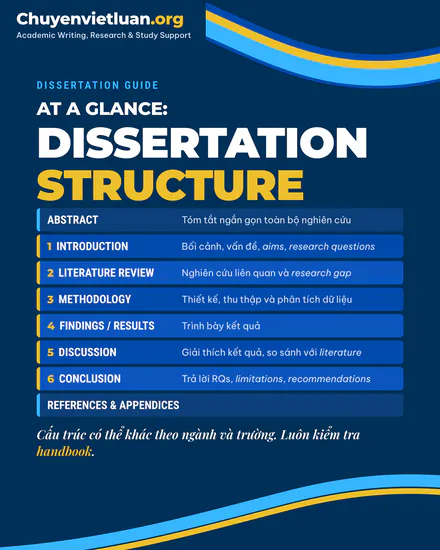
One page listing every chapter, the job it has to do, the words it gets, and the evidence still missing. Pin it above the desk and you know what to write today.
Your file with notes at the exact places that need changing, and the reason alongside each one. You can see every change and agree or disagree with it.
Fixes ranked by how much each moves the grade, with the optional ones marked as optional. You always know what comes next.
Software & standards
Not every piece needs all of these. But when yours touches one of them, you are not working it out alone.
Data analysis
Visualisation
Referencing
Methods
Subjects
What decides the work is the research design rather than the subject, which is how one team reads across this much. If yours is not listed, ask anyway.
Business
Social sciences
Technical & health
Levels
Get started
Nothing to prepare. Send whatever you already have and we will read it, then tell you what to fix first and what can wait.
These two files say more about how your work is marked than anything else.
How much time is left decides the plan, so tell us early rather than late.
Half an outline is more useful to work from than a blank page.
Comments like “lack of critical analysis” all translate into specific edits.
Contact
Chuyenvietluan.org
Academic Writing, Research & Study Support
Facebookfb.com/Chuyenvietluan.org MessengerMessage us directly, answered same day Message usYou are the writer. We walk alongside you so the work goes in the right direction.